
Warehouse Construction: High-Clearance Structures for Modern Logistics
Design considerations and construction techniques for warehouses that support efficient operations and future expansion.
Concrete Contractors of Flower Mound Team
September 15, 2024
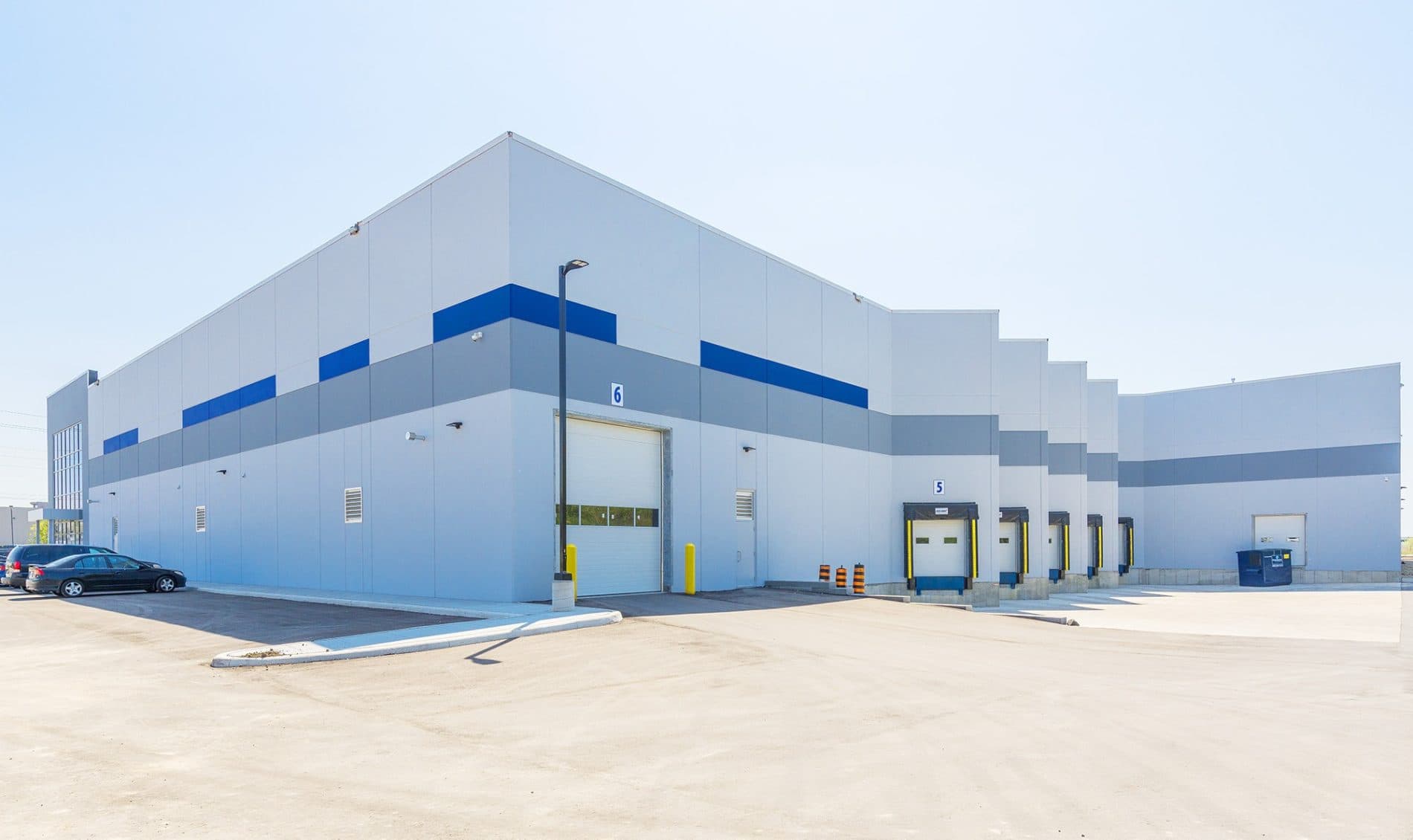
Modern warehouse construction requires careful planning to accommodate current operations while allowing for future growth. High-clearance structures are key for efficient logistics and storage.
Key Design Considerations for Modern Warehouses
Clear Height
- Minimum 24-36 feet: Accommodates multi-level racking systems.
- Automated systems: Required for vertical storage and retrieval (AS/RS).
- Future-proofing: Allow for potential changes in storage technology.
Column Spacing
- Wide spans: Reduces obstructions for forklift movement and racking.
- Structural efficiency: Optimizes steel or concrete framing.
- Flexibility: Allows for various layout configurations.
Floor Specifications
- FF/FL flatness: Critical for forklift operations and AGVs.
- Load-bearing capacity: Designed for heavy racking and equipment loads.
- Joints: Minimized for smooth traffic flow and reduced maintenance.
Construction Techniques for Warehouses
Tilt-Wall Construction
- Speed: Faster erection times compared to traditional methods.
- Durability: Robust concrete panels offer excellent fire and impact resistance.
- Cost-effective: Reduces labor and material costs.
Pre-Engineered Metal Buildings (PEMB)
- Flexibility: Customizable sizes and designs.
- Speedy erection: Components are fabricated off-site.
- Economical: Lower initial costs for certain applications.
Conventional Steel Frame
- Clear spans: Ideal for very wide column spacing.
- Adaptability: Easily modified for future expansions.
- Complex designs: Suitable for irregular building footprints.
Site Development and External Factors
Truck Court Design
- Depth: Minimum 120-180 feet for trailer maneuvering.
- Loading docks: Adequate number and configuration for throughput.
- Pavement: Durable concrete or asphalt for heavy truck traffic.
Parking
- Employee parking: Sufficient spaces for staff.
- Trailer parking: Designated areas for trailer storage.
- ADA compliance: Accessible parking and pathways.
Stormwater Management
- Detention/retention ponds: Manage runoff.
- Pervious paving: Reduce impermeable surfaces.
- Site grading: Ensure positive drainage away from the building.
Technology Integration in Warehouses
Automation
- Automated Storage and Retrieval Systems (AS/RS): Maximizes vertical space.
- Conveyor systems: Efficient material flow.
- Robotics: For picking, packing, and sorting.
Energy Efficiency
- LED lighting: Reduces energy consumption.
- HVAC systems: Optimized for large volumes.
- High-performance insulation: Reduces heating and cooling loads.
Conclusion
Effective warehouse construction in North Texas is a blend of strategic design, modern construction techniques, and thoughtful integration of technology. Focusing on high-clearance structures, robust floor specifications, and future adaptability ensures that facilities can meet the evolving demands of modern logistics.
About the Author
The Concrete Contractors of Flower Mound team brings over 20 years of combined experience in commercial concrete projects across North Texas. Specializing in warehouse construction, our experts provide deep technical knowledge and practical insights to help contractors and developers succeed.
Related Articles
More Industry Insights
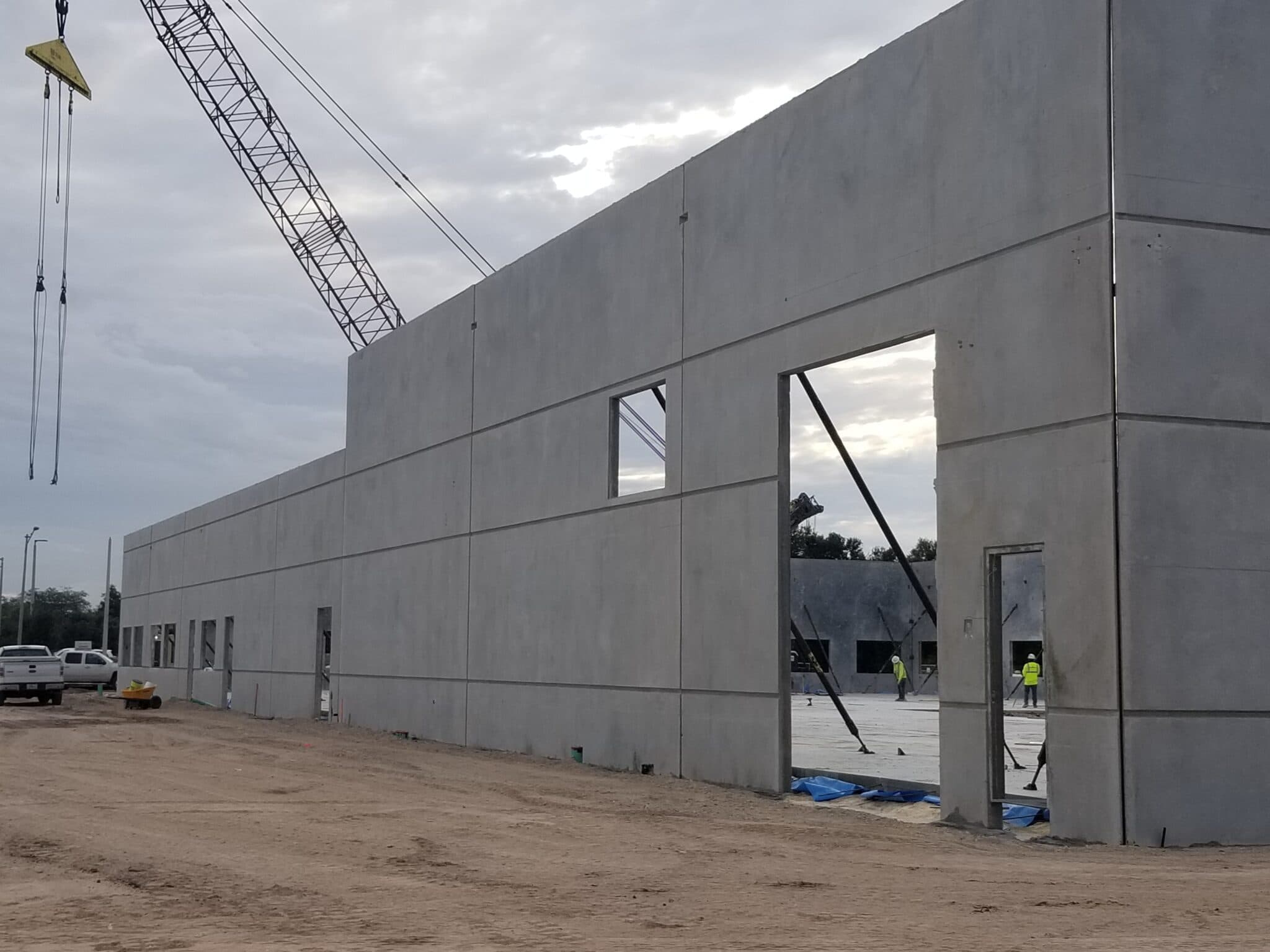
Complete Guide to Tilt-Wall Construction: Efficiency and Precision in Commercial Building
Discover how tilt-wall construction delivers faster build times, superior quality control, and cost-effective solutions for commercial buildings across North Texas.
Concrete Contractors of Flower Mound Team
October 20, 2024
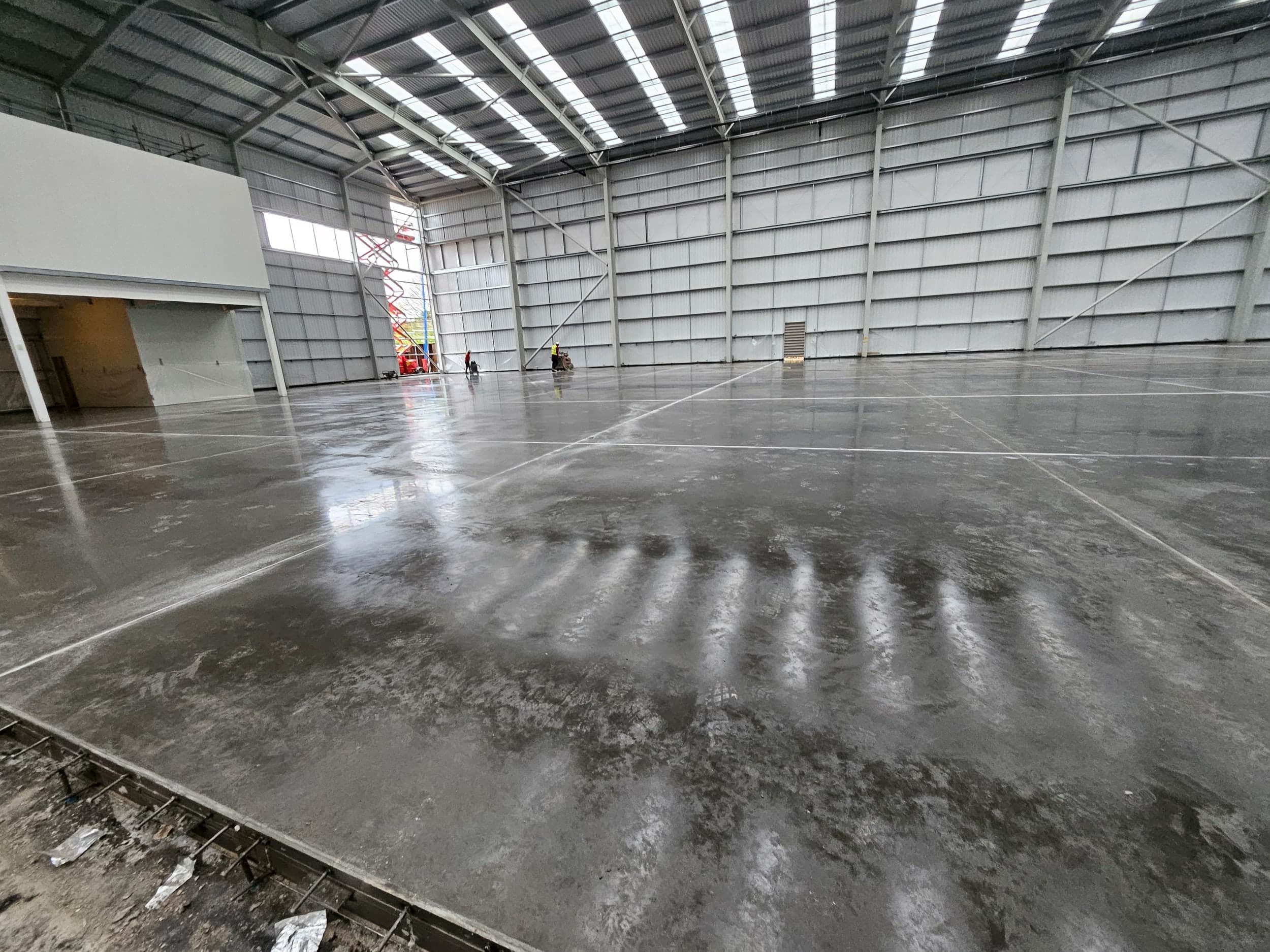
Industrial Slab Specifications: Meeting the Demands of Modern Manufacturing
Understanding FF/FL flatness requirements and high-tolerance specifications for industrial concrete slabs that support heavy equipment and operational efficiency.
Concrete Contractors of Flower Mound Team
October 15, 2024
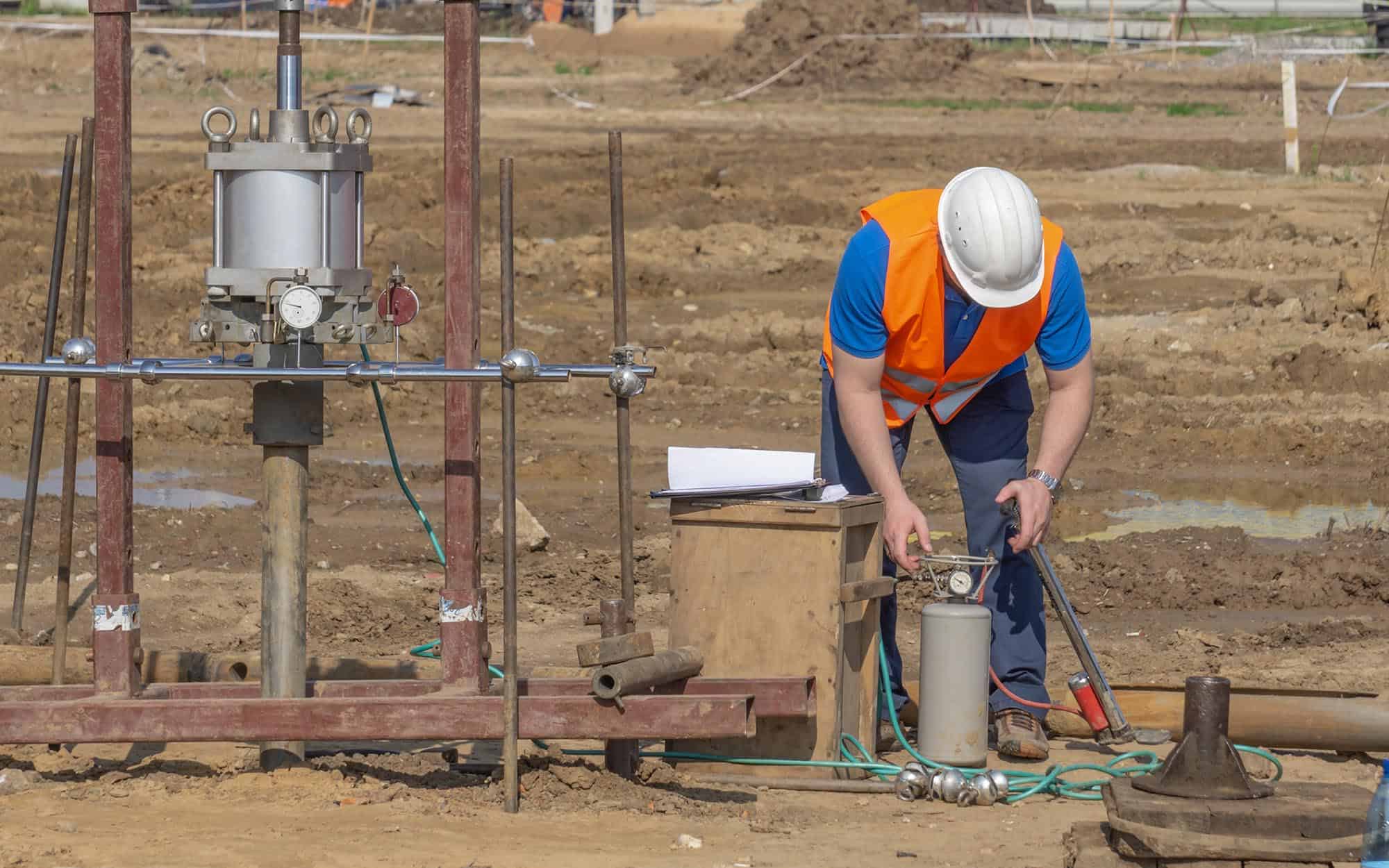
Foundation Engineering in North Texas: Soil Conditions and Structural Solutions
Navigate the unique soil conditions of North Texas with engineered foundation solutions that ensure long-term stability and performance.
Concrete Contractors of Flower Mound Team
October 10, 2024
Ready to Apply These Insights
Let's Discuss Your Warehouse Construction Project
Our Flower Mound concrete experts specialize in warehouse construction and are ready to help with your commercial construction needs. Get expert guidance and a detailed project proposal.