
Asphalt vs. Concrete Parking Lots: Making the Right Choice for Your Property
Compare the benefits, costs, and applications of asphalt and concrete parking surfaces for commercial properties.
Concrete Contractors of Flower Mound Team
September 10, 2024
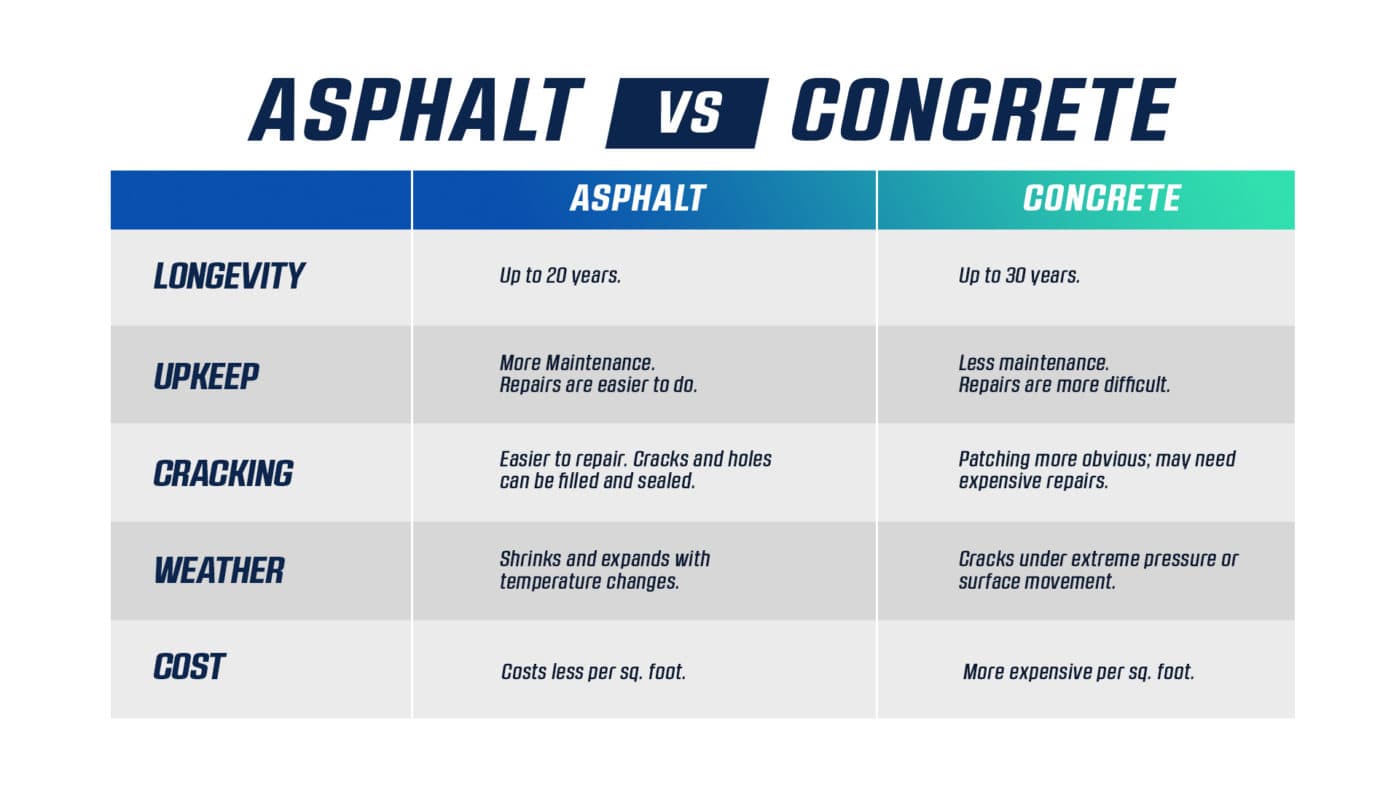
Choosing between asphalt and concrete for parking lots involves weighing multiple factors including cost, durability, and maintenance. Each material offers distinct advantages and disadvantages for commercial properties.
Durability and Lifespan
Concrete Parking Lots
- Lifespan: Typically 20-30 years with proper maintenance.
- Strength: Higher compressive strength, can withstand heavier loads.
- Resistance: More resistant to chemical spills, fuel, and extreme heat.
Asphalt Parking Lots
- Lifespan: Generally 10-20 years with regular maintenance (sealcoating).
- Flexibility: More flexible, which can be an advantage in areas with freeze-thaw cycles.
- Cracking: Prone to cracking and potholes if not maintained.
Cost Considerations
Initial Installation Cost
- Asphalt: Often has a lower upfront cost per square foot.
- Concrete: Higher initial installation cost due to material and labor.
Long-Term Maintenance Costs
- Asphalt: Requires regular sealcoating (every 2-5 years) and crack filling.
- Concrete: Lower overall maintenance costs; repairs are often more significant when needed.
Repair and Replacement Costs
- Asphalt: Easier and quicker to patch, but large areas may require resurfacing.
- Concrete: Repairs are more complex and costly, often requiring slab replacement.
Installation Process and Time
Asphalt Installation
- Speed: Faster curing time, can be open to traffic sooner (within days).
- Weather: More sensitive to temperature during installation.
Concrete Installation
- Speed: Slower curing time, often requires 7-14 days before full traffic.
- Weather: Less sensitive to temperature, but proper curing is critical.
Environmental Impact
Asphalt Sustainability
- Recyclability: 100% recyclable, often incorporates recycled materials.
- Heat Island Effect: Dark surface absorbs more heat, contributing to urban heat island effect.
Concrete Sustainability
- Recyclability: Can be recycled into aggregate.
- Heat Island Effect: Lighter color reflects more sunlight, reducing heat absorption.
- Permeable Concrete: Options available to reduce stormwater runoff.
Suitability for North Texas Climate
Asphalt
- Hot summers: Can soften and rut under extreme heat and heavy loads.
- Freeze-thaw: Its flexibility can handle temperature swings, but still prone to cracking.
Concrete
- Hot summers: More stable under high temperatures.
- Expansive soils: Requires proper subgrade preparation and joint design to prevent cracking from soil movement.
Conclusion
The choice between asphalt and concrete for a commercial parking lot in North Texas depends on a balance of initial budget, long-term maintenance goals, traffic loads, and aesthetic preferences. While asphalt offers lower upfront costs and faster installation, concrete generally provides superior durability, longer lifespan, and lower maintenance needs over its service life.
About the Author
The Concrete Contractors of Flower Mound team brings over 20 years of combined experience in commercial concrete projects across North Texas. Specializing in materials, our experts provide deep technical knowledge and practical insights to help contractors and developers succeed.
Related Articles
More Industry Insights
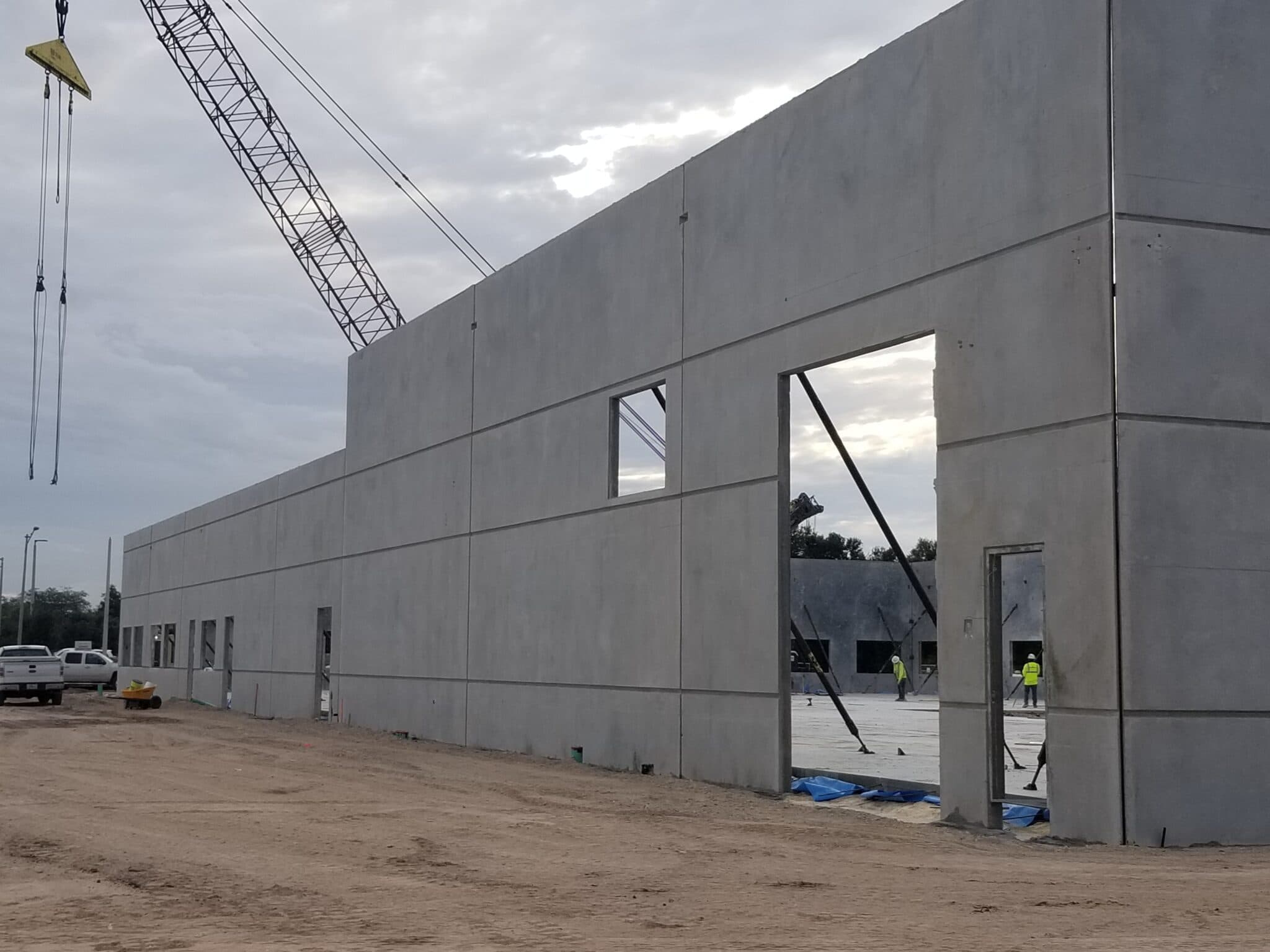
Complete Guide to Tilt-Wall Construction: Efficiency and Precision in Commercial Building
Discover how tilt-wall construction delivers faster build times, superior quality control, and cost-effective solutions for commercial buildings across North Texas.
Concrete Contractors of Flower Mound Team
October 20, 2024
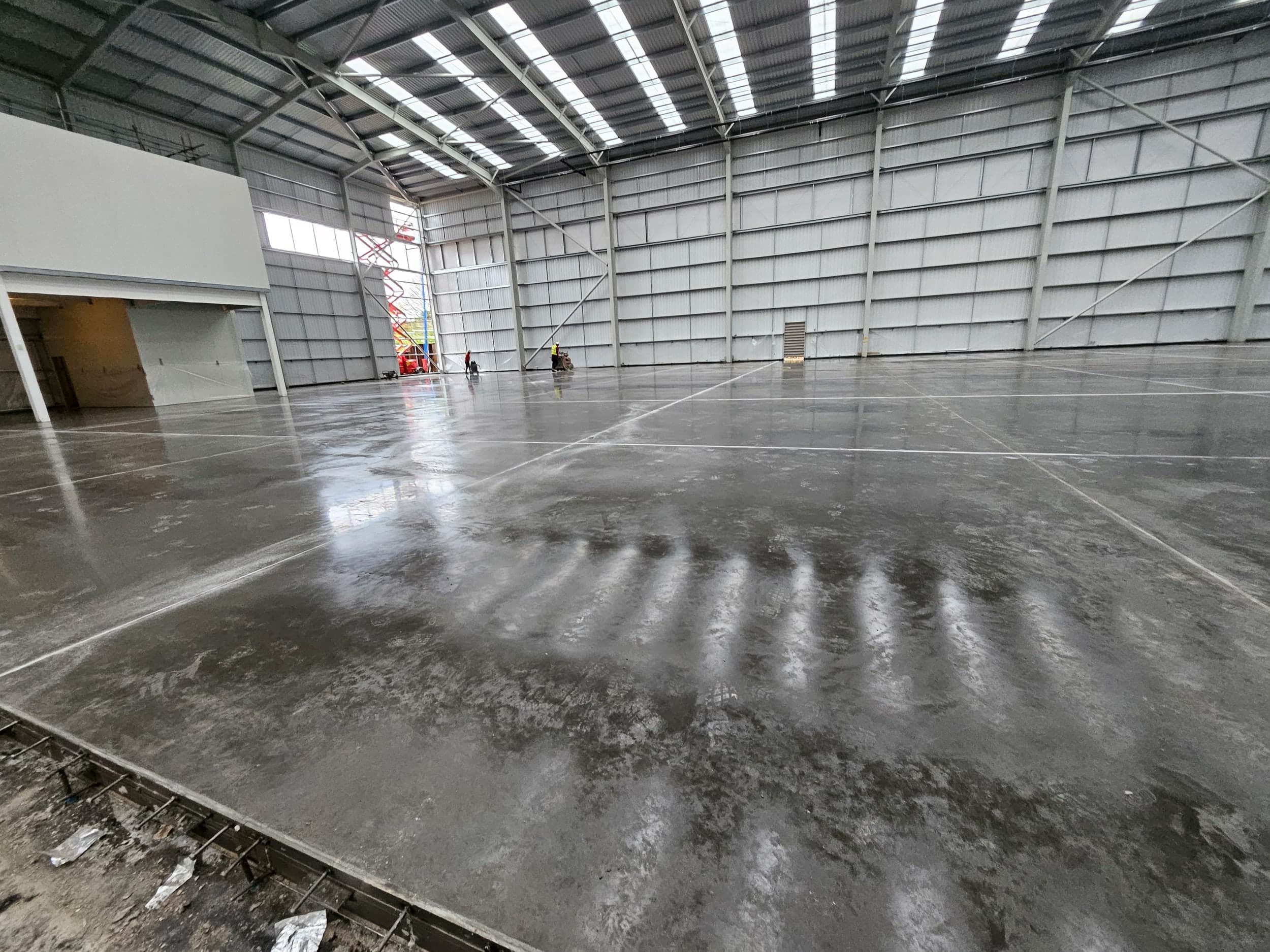
Industrial Slab Specifications: Meeting the Demands of Modern Manufacturing
Understanding FF/FL flatness requirements and high-tolerance specifications for industrial concrete slabs that support heavy equipment and operational efficiency.
Concrete Contractors of Flower Mound Team
October 15, 2024
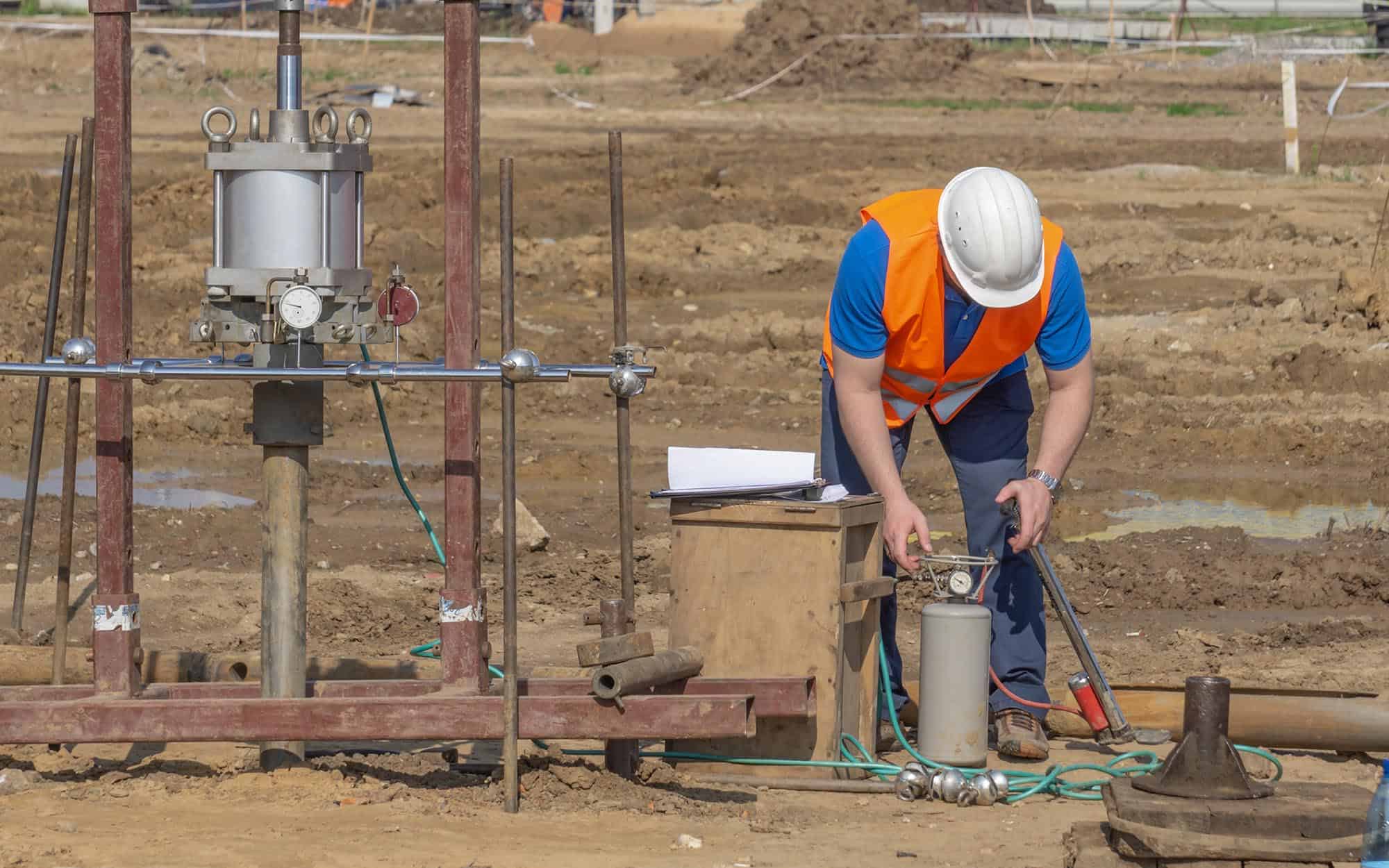
Foundation Engineering in North Texas: Soil Conditions and Structural Solutions
Navigate the unique soil conditions of North Texas with engineered foundation solutions that ensure long-term stability and performance.
Concrete Contractors of Flower Mound Team
October 10, 2024
Ready to Apply These Insights
Let's Discuss Your Materials Project
Our Flower Mound concrete experts specialize in materials and are ready to help with your commercial construction needs. Get expert guidance and a detailed project proposal.